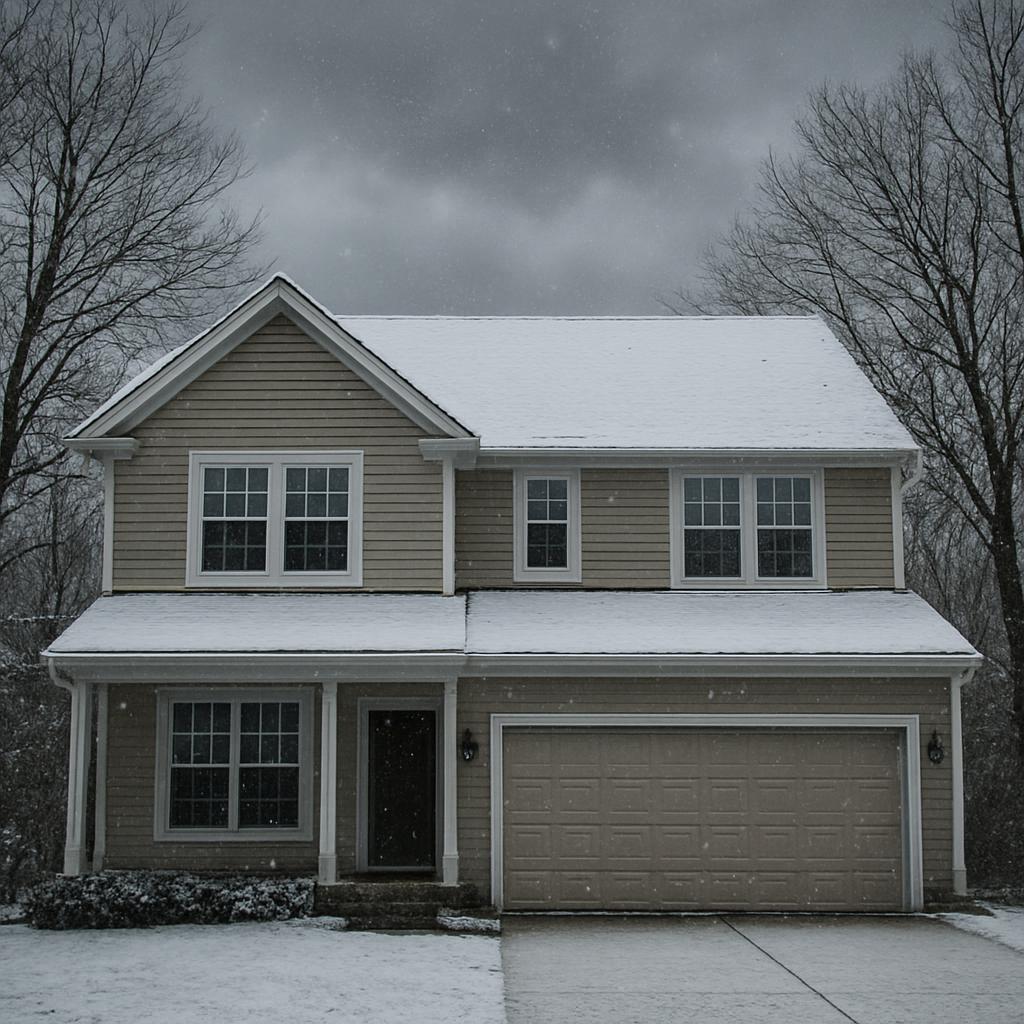
As winter storm season gets under way across much of the United States, the weeks before the first hard freeze are the easiest time to protect a home and garden. Most cold-weather damage around a house comes from a handful of predictable problems: frozen pipes, overloaded gutters, falling branches and tender plants left exposed. Each one is cheaper and simpler to deal with now than after a storm.
Start With the Water
Water that freezes expands, and pipes are where that does the most harm. Disconnect garden hoses, drain them and store them inside. If outdoor taps have their own shut-off valve indoors, close it and open the outside tap to let the line drain. Pipes that run through unheated spaces such as crawl spaces, garages and attics can be wrapped with foam pipe insulation from any hardware store.
Before a cold snap, it helps to know where the main water shut-off is and to check that it turns. If a pipe does burst, closing it quickly limits the damage.
Clear the Roof Line
Gutters packed with autumn leaves hold water, and in freezing weather that water can turn into ice dams that push meltwater back under roof shingles. Clearing gutters and downspouts once the trees are bare lets water drain away from the house.
Look up at the trees as well. Branches that hang over the roof, driveway or power lines are the ones most likely to come down under the weight of ice and snow. Small limbs can be pruned now; anything large or near a power line is a job for a professional tree service.
Protect the Garden
Perennials and shrubs cope better with winter when their roots are insulated. A few inches of mulch, such as shredded leaves, bark or straw, spread around the base of plants once the ground has cooled helps keep soil temperatures even. Tender plants in containers can be moved against a sheltered wall or into a garage or shed.
Raised beds and vegetable plots benefit from a cover crop or a layer of compost and leaves, which protects the soil from heavy rain and adds organic matter by spring. Garden tools last longer if they are cleaned, dried and stored out of the weather.
Put the Outdoor Space to Bed
Patio furniture, cushions and grills are easier to look after when they are covered or stored. Anything light enough to blow around in high winds, such as chairs, planters and decorations, is safer secured or put away before a storm arrives.
Plan for a Power Cut
Winter storms often bring outages. A simple kit with flashlights, spare batteries, blankets, water and non-perishable food covers the first day or two. Portable generators should only ever run outdoors, well away from doors and windows, because of the risk of carbon monoxide.
The National Weather Service's winter weather safety guidance explains what each type of storm warning means and what to do before, during and after a storm.
A Quick Look at Your Policy
It is also worth reading through your home insurance documents before winter, so you know what is and isn't covered and who to call if something goes wrong. Your insurer or agent can explain the details for your own home.
An afternoon spent on these jobs in late autumn can save a great deal of cleanup, repair and replanting once the weather turns.
Marcus Chen writes about home maintenance and seasonal gardening for homeowners. He draws on resources such as Oregon State University Extension's gardening guides for regional advice.