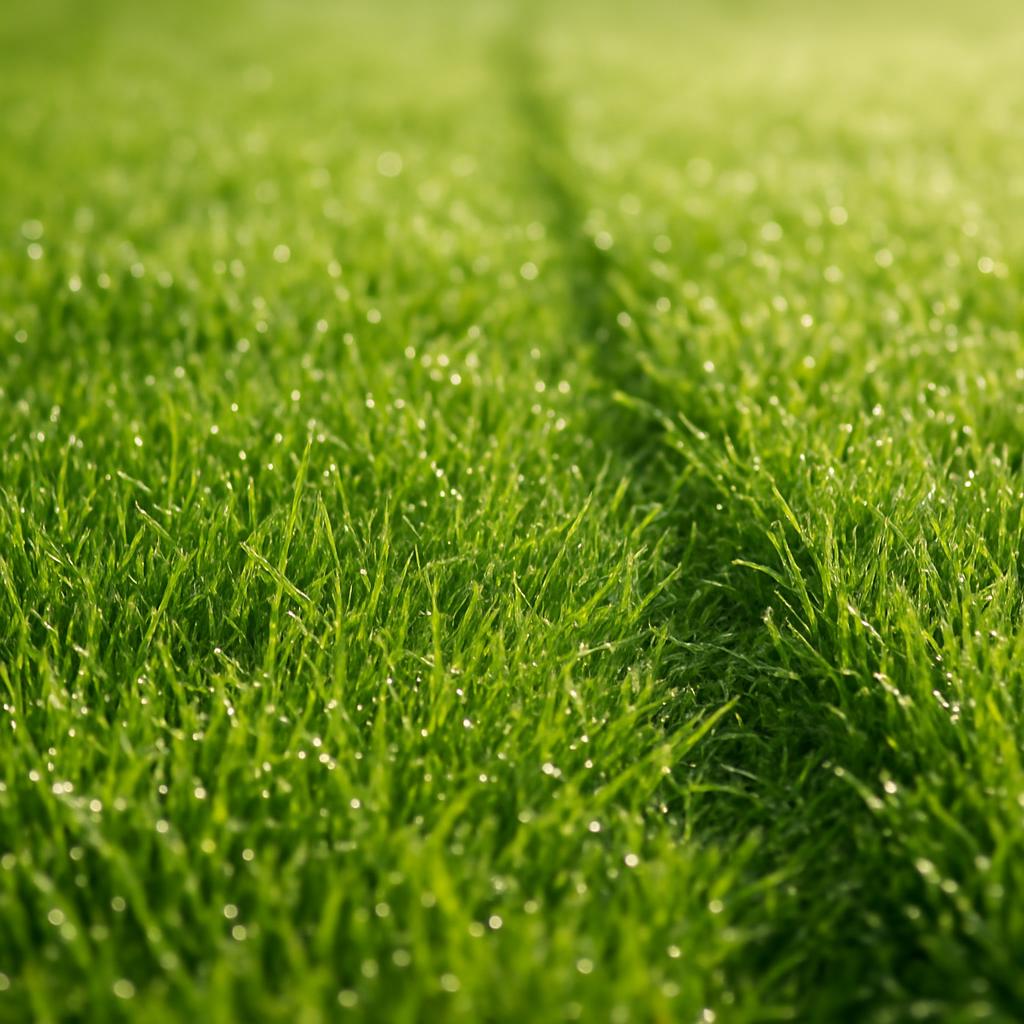
Cut grass in spring as soon as it starts actively growing again and reaches roughly one-third taller than your usual mowing height, which for most lawns means the first mow happens when grass hits about 3 to 3.75 inches tall. This timing depends more on growth and weather than on a date on the calendar, as lawn care experts explain. Soil temperature, grass type, and your region all shift the exact week, sometimes by a month or more.
Key takeaways
- Mow based on grass growth and soil temperature, not a fixed calendar date.
- The 1/3 rule matters most: never cut off more than a third of the blade length in one pass.
- Cool-season lawns usually need their first cut earlier than warm-season lawns.
- Avoid mowing dormant, frosted, or soggy grass, since both can damage the turf.
- A table of grass heights by type helps you avoid cutting too short, the most common spring mowing mistake.
What is the 150 rule for grass?
The 150 rule refers to Growing Degree Days, a measure of accumulated warmth that tracks when grass and weeds wake up from winter.
Growing Degree Days, often shortened to GDD, are calculated from daily high and low temperatures compared to a base temperature, commonly 50°F for turf. Once a region has built up around 150 GDD in spring, cool-season grasses typically shift from slow, patchy growth into steady active growth. This same point in the season lines up closely with when crabgrass seeds begin to germinate, which is why many lawn professionals use the 150 GDD mark to time both the first real mow of spring and the application of pre-emergent weed control.
You do not need special equipment to use this rule. Many state extension offices and university turf programs publish a running GDD count for their region during spring, so you can check your local number instead of guessing from the date. If you cannot find a local tracker, a simple backup is to watch the grass itself: once it is growing fast enough that you are mowing every five to seven days, you have effectively reached the same growth stage the 150 rule describes.
This rule is most useful as a planning tool, not a strict law. Soil moisture, recent rain, and shade all change how fast grass responds even when the degree-day math says it should be growing.
What month should you not cut grass?
There is no single month that applies everywhere, but most guidance points to avoiding mowing during deep winter dormancy and right after a hard frost.
In cold-winter regions, grass usually goes dormant from around December through February, and mowing dormant turf does little good and can scalp or stress the crowns. In warmer southern climates, lawns may barely slow down, so the "don't mow" window shrinks or disappears. The safer rule than naming a specific month is to stop mowing once growth stops for the season and resist starting again until new, visible green growth shows up consistently for at least a week.
Frost is the other trigger to watch for in spring. Walking or mowing on frozen grass blades can bruise or snap them, leaving brown footprints or wheel tracks that take weeks to grow out. Wait until frost has fully melted and the blades have dried before running a mower over them, even if that means mowing an hour or two later in the morning than usual.
If you are also preparing the rest of the yard for the season, it helps to plan mowing around the same stretch when you tackle other post-winter cleanup, such as the steps covered in this winter storm season home and garden checklist.
What's the best height to cut your lawn at?
The best mowing height depends on your grass type, but most lawns do best between 2.5 and 4 inches tall.
Cool-season grasses like Kentucky bluegrass, tall fescue, and perennial ryegrass generally prefer the taller end of that range, especially heading into summer heat, because longer blades shade the soil and hold moisture better. Warm-season grasses such as Bermuda and zoysia tolerate and often look best at shorter heights, since they grow in a denser, lower-spreading pattern. Cutting any lawn too short removes the leaf area the plant needs for photosynthesis, which weakens roots and opens the door to weeds and disease.
A quick reference makes this easier to apply without memorizing numbers:
| Grass type | Recommended mowing height |
|---|---|
| Kentucky bluegrass | 2.5 to 3.5 inches |
| Tall fescue | 3 to 4 inches |
| Perennial ryegrass | 2 to 3 inches |
| Bermuda grass | 1 to 2 inches |
| Zoysia grass | 1 to 2.5 inches |
| St. Augustine grass | 2.5 to 4 inches |
Raising the mower deck slightly during the hottest, driest weeks of the year is one of the simplest ways to reduce lawn stress, even if you keep the same height the rest of the season.
How do you know your lawn is ready for its first spring mow?
Your lawn is ready for its first spring mow once the grass is dry, the soil is firm, and the blades have grown noticeably past their normal mowing height.
Soggy, saturated soil from snowmelt or spring rain cannot support the weight of a mower without compacting and rutting, so wait a few dry, sunny days before the first pass. Press a finger into the lawn; if water seeps up around it, the ground is still too wet. Grass color is another clue, since a lawn transitioning out of dormancy often looks patchy, with tan or brown areas next to fresh green growth, and that mixed color is normal in early spring and does not mean the grass is unhealthy.
Set the mower slightly higher than your normal height for this first cut. Scalping stressed, newly awakened grass can set the whole lawn back by weeks. A light first trim followed by a normal-height mow about a week later is gentler than one aggressive cut.
What's a good seasonal lawn care routine?
A good seasonal routine lines up mowing, fertilizing, and aerating with the natural growth cycle of your grass type instead of a fixed date.
Following the same basic order every year keeps a lawn healthier than reacting to problems after they appear. The steps below work as a general framework for most cool-season lawns in the continental US; warm-season lawns shift the same tasks later into the year since their growing season starts and ends later.
- Early spring: rake up winter debris and matted leaves once the ground firms up, clearing the way for new growth.
- First mow: cut at a slightly raised height once grass is actively growing and dry, following the 1/3 rule.
- Pre-emergent weed control: apply around the 150 GDD mark, before crabgrass germinates, if needed.
- Aeration: core aerate compacted cool-season lawns in early spring or fall, not during heat stress.
- First fertilizer feeding: apply a balanced spring formula a few weeks after consistent green-up.
- Regular mowing: settle into a weekly or twice-weekly schedule as growth speeds up through late spring.
- Midsummer care: raise mowing height and reduce fertilizer during hot, dry stretches.
- Fall feeding and cleanup: apply a fall fertilizer and manage leaves before the ground freezes, similar to the general yard prep covered in this pre-winter home and garden guide.
Refreshing flower beds and borders at the same time you start spring lawn work is common practice, and gardeners who want new plant options can check recent flower variety releases while they are already out working in the yard.
Which grass type suits your climate or sun exposure?
The right grass type depends mainly on your region's temperature pattern and how much direct sun your lawn gets.
Cool-season grasses thrive in the northern two-thirds of the country, where they grow fastest in spring and fall and slow down in summer heat. Warm-season grasses dominate the South, growing fastest in summer heat and going dormant and tan-colored in winter. Shade tolerance also varies a lot between species, so a lawn under mature trees needs a different choice than one in full open sun.
| Grass type | Best climate | Sun needs |
|---|---|---|
| Kentucky bluegrass | Cool, northern regions | Full sun to light shade |
| Tall fescue | Cool to transitional zones | Full sun to moderate shade |
| Bermuda grass | Hot, southern regions | Full sun |
| Zoysia grass | Warm, humid regions | Full sun to partial shade |
| St. Augustine grass | Hot, coastal/humid South | Partial shade tolerant |
| Fine fescue | Cool regions, shade | Shade tolerant |
Lawns in the transition zone, a wide band across the middle of the country, often struggle because neither cool- nor warm-season grasses are perfectly suited to the mix of hot summers and cold winters there. A local extension office can confirm which species or blend performs best for a specific address.
What does a basic spring fertilizer schedule look like?
A basic spring schedule applies a balanced feeding a few weeks after the lawn greens up, then follows with lighter, spaced-out feedings through the growing season.
For a cool-season lawn, a common pattern looks like this: skip fertilizer at the very first mow, since pushing growth before roots are active wastes product and can encourage disease. Around four to six weeks after consistent green-up, apply a balanced lawn fertilizer following the bag's stated rate for your lawn size. A second, lighter feeding in late spring supports growth before summer heat arrives, and most cool-season lawns then get their heaviest feeding in early fall, when roots store energy for winter.
Warm-season lawns follow a similar shape but shifted later: the first feeding happens after the grass has fully greened up and resumed active growth, typically later in spring than cool-season lawns, with follow-up feedings through summer while the grass is actively growing.
Always check the fertilizer label for the exact rate and timing, since formulas vary by nitrogen content and release speed, and applying too much too early is a common cause of lawn burn and runoff into storm drains.
What mowing mistakes should you avoid?
The most common spring mowing mistake is cutting too short, too early, which stresses grass before its roots are fully active.
Other frequent problems include mowing with a dull blade, which tears rather than cuts grass and leaves ragged, brown-tipped edges that look unhealthy even on a healthy lawn. Mowing in the exact same direction every time also compacts soil in repeated wheel tracks and encourages grass to lean instead of stand upright. Bagging every clipping removes nutrients that could otherwise break down and feed the soil, unless clippings are unusually long or clumped from a missed mow.
- Scalping: cutting more than one-third of the blade height at once, which shocks the plant and invites weeds.
- Mowing wet grass: clumps clippings, spreads disease between patches, and can leave ruts in soft soil.
- Dull blades: tear grass tips, leaving a ragged, tan-brown look within a day or two.
- Mowing on a fixed calendar: ignores actual growth rate and leads to either scalping or letting grass get too tall between cuts.
- Skipping aeration on compacted soil: lets thatch and hard-packed dirt block water and nutrients from reaching roots.
Most of these mistakes are fixable with routine adjustments, but a lawn that stays patchy, discolored, or thin despite correct mowing and feeding may have a disease or insect problem beneath the surface. Large dead patches, a strong musty smell, visible fungal rings, or grass that pulls up easily in clumps are signs worth having a licensed lawn care or pest control professional diagnose, since some turf diseases and grubs need targeted treatment that general mowing and fertilizing cannot fix.
Frequently asked questions
Can you mow wet grass in spring?
It is best to avoid it when possible, since wet clippings clump and can smother the lawn underneath while wet soil is easier to rut with mower wheels. If you must mow damp grass, use a slightly higher cutting height and clean clippings off the deck afterward to prevent them matting on the lawn.
Should you bag or mulch grass clippings in spring?
Mulching is usually better in spring, since short clippings break down quickly and return nitrogen to the soil. Bagging makes more sense only if clippings are unusually long after a missed mow, since long clumps can smother grass underneath.
How often should you mow in spring?
Most lawns need mowing every five to seven days once growth picks up in mid to late spring, though cool, slow-growth weeks may stretch that to every ten days. Let the 1/3 rule guide timing instead of a fixed day of the week.
Is it bad to mow frosted grass?
Yes, mowing frost-covered grass can bruise or break the frozen blades, leaving visible damage that takes time to grow out. Wait until frost melts and the lawn dries before mowing.
When should you fertilize new grass seed planted in spring?
Newly seeded lawns usually get a starter fertilizer at planting, then a light follow-up feeding once seedlings reach mowing height and have been cut two or three times. Check the seed or starter fertilizer label for exact timing, since products vary.