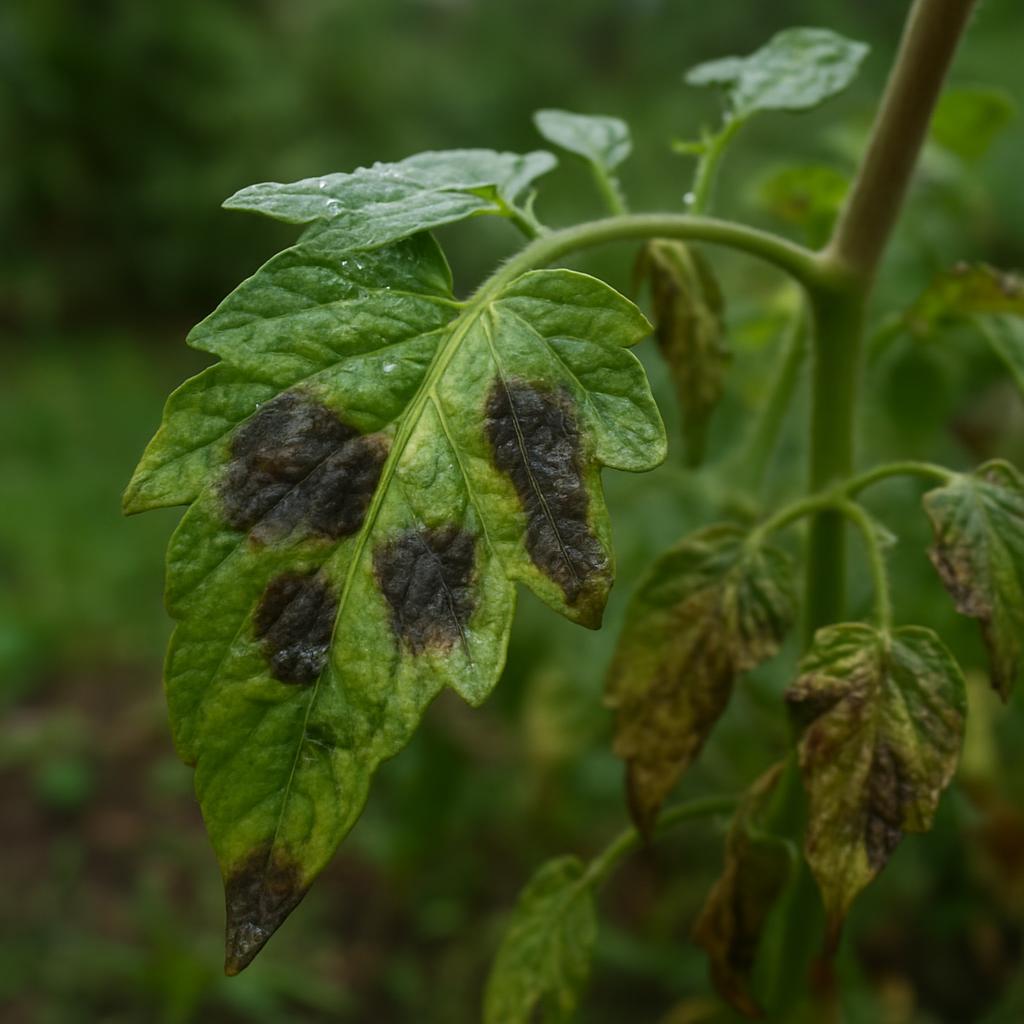
Late blight remains one of the most destructive diseases home and commercial tomato growers face, and a look back at past outbreaks shows how fast it can spread once conditions turn favorable, according to a report on an outbreak that tore through Michigan tomato fields. That event, along with a separate controversy over commercially sold seedlings and ongoing regional monitoring efforts, illustrates why the disease is treated as a recurring seasonal threat rather than a one-time event.
Key takeaways
- A 2014 late blight outbreak spread rapidly across Michigan tomato fields, killing plants as wind-borne spores moved from farm to farm.
- A 2009 controversy over Bonnie Plants seedlings highlighted how blight can travel through commercial transplants sold at retail stores across the Northeast.
- Agricultural monitoring networks in the Eastern U.S. track late blight activity each season so growers can act before an outbreak takes hold.
- Gardening experts continue to warn that damp, humid weather creates ideal conditions for blight to spread quickly through tomato and potato foliage.
Michigan's Rapid-Spread Outbreak
A late blight outbreak documented in Michigan showed how aggressively the disease can move once it establishes itself in a region. Described as a fungus that was "exploding" across the state, the pathogen killed tomato plants outright and then released spores that were carried on the wind to infect neighboring fields, according to the report.
That wind-dispersal pattern is central to why late blight is considered so difficult to contain. Unlike diseases that spread slowly through soil contact, late blight spores can travel significant distances once airborne, meaning a single infected planting can seed outbreaks in gardens and farms miles away within days.
Late blight is caused by a fungus-like organism, Phytophthora infestans, the same pathogen responsible for the 19th-century Irish potato famine. Its capacity to destroy both tomato and potato crops in a matter of days is why outbreaks like the one in Michigan draw attention from both commercial growers and home gardeners.
The Bonnie Plants Seedling Controversy
A separate and widely discussed episode centered on Bonnie Plants, a major supplier of tomato seedlings sold at garden centers and big-box retailers. The company said it was a victim of tomato blight rather than its source, pushing back on claims that its seedlings had introduced the disease into gardens across the Northeast.
According to the report, the first cases of blight in the Northeast that year were identified in late June, but government inspectors had not detected the disease at the company's operations even two weeks later, on July 7. The dispute underscored how difficult it can be to pinpoint the origin of a fast-moving outbreak once infected plants have already reached retail shelves and home gardens.
The episode remains a reference point in discussions about commercial seedling supply chains, since large-scale transplant distribution can move infected plant material across many states before symptoms become obvious to growers or sellers.
Regional Monitoring for Early Warning
In response to the risk of fast-spreading outbreaks, agricultural extension services in the Eastern United States track late blight activity on tomato and potato crops throughout the growing season. One advisory noted that there were no confirmed reports of late blight in the region at the time it was issued, but stressed that tomato and potato plants remain susceptible at any point during the season.
These monitoring efforts are designed to give growers advance notice so they can apply preventive fungicides or adjust planting practices before spores arrive in their area. Because late blight can move quickly once conditions are favorable, early detection networks are considered one of the most effective tools for limiting crop losses.
Home gardeners without access to formal monitoring networks are often encouraged to stay alert to regional disease reports and to inspect plants regularly for early symptoms, particularly during wet stretches of the growing season.
Damp Weather Raises the Risk
Gardening guidance has long emphasized that damp weather is the main driver behind blight flare-ups in home vegetable patches. One gardening report described blight as a fungus-like organism that spreads rapidly through the foliage and tubers of tomato and potato plants whenever conditions turn wet and humid.
For home gardeners, that means periods of sustained rain or high humidity are the moments to watch most closely, since spores need moisture on leaf surfaces to germinate and spread. Removing affected foliage promptly and improving airflow around plants are commonly recommended steps to slow an infection once it appears.
With outdoor tomato season now over for most regions, gardeners weighing how to keep fresh vegetables going through the colder months may want to review options such as growing lettuce indoors, while also using the off-season to prepare beds and tools as part of broader winter garden readiness before next year's planting.